
India’s Expanding CBG Industry: The Critical Role of GFS Digester Tanks
25 Jun , 2026, Posted by Admin
# India’s CBG Sector Expansion and the Strategic Importance of GFS Digester Tanks
India’s transition toward renewable energy is entering a transformative phase, driven by the rapid growth of the Compressed Biogas (CBG) sector. As the nation intensifies its efforts to achieve waste-to-energy targets and promote cleaner transportation fuels, the need for reliable and efficient biogas infrastructure has become increasingly critical.
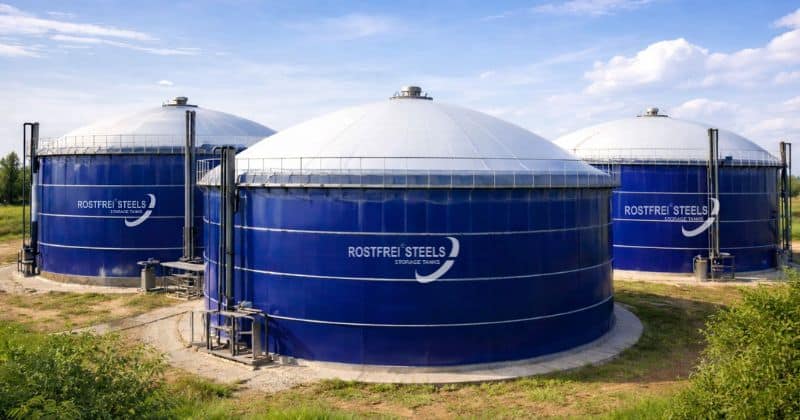
At the center of every successful CBG facility is a vital component—the anaerobic digester or fermenter tank. Today, Glass-Fused-to-Steel (GFS) digester tanks are gaining widespread acceptance among EPC contractors, project developers, and bioenergy investors due to their durability, efficiency, and long-term economic benefits.
This article examines the strategic role of high-performance GFS digester tanks in supporting India’s growing CBG industry and explains how they contribute to the development of sustainable, profitable, and future-ready bioenergy projects.
## India’s Growing CBG Market: Unlocking Renewable Energy Potential
India produces vast quantities of agricultural residues, municipal solid waste, food waste, and animal manure every year. Through anaerobic digestion, these organic resources can be converted into valuable renewable energy, delivering multiple benefits:
- Production of clean transportation fuel in the form of CBG
- Reduction in landfill dependency and waste accumulation
- Lower greenhouse gas emissions
- Additional revenue opportunities for farmers, municipalities, and industries
Supported by government initiatives promoting biofuels, sustainable waste management, and carbon reduction, hundreds of CBG projects are being planned, constructed, and commissioned across the country.
However, the long-term viability of these facilities depends significantly on the quality and reliability of their digester infrastructure.
## Why Digester Tank Performance Is Critical to CBG Plant Success
The anaerobic digester serves as the primary reactor where organic feedstock is biologically converted into biogas. Any compromise in tank integrity or operational performance can lead to:
- Methane leakage and energy loss
- Structural deterioration and corrosion
- Increased maintenance expenditures
- Operational downtime
- Reduced return on investment (ROI)
Traditional concrete structures and conventionally coated steel tanks often face challenges in highly corrosive digestion environments. Exposure to hydrogen sulfide (H₂S), organic acids, moisture, and fluctuating temperatures can accelerate degradation and shorten service life.
To address these challenges, many project developers are turning to Glass-Fused-to-Steel (GFS) technology.
## Understanding Glass-Fused-to-Steel (GFS) Digester Tanks
Glass-Fused-to-Steel technology is created by permanently bonding a layer of glass enamel to steel at temperatures of approximately 800–900°C. This fusion process combines the mechanical strength and flexibility of steel with the exceptional chemical resistance of glass.
The result is a highly durable, corrosion-resistant, and modular digester tank specifically engineered for demanding biogas and CBG applications.
## Strategic Advantages of GFS Digester Tanks for CBG Projects
### 1. Exceptional Corrosion Resistance
Biogas digestion environments contain corrosive substances such as:
- Hydrogen sulfide (H₂S)
- Organic acids
- High humidity levels
- Variable operating temperatures
GFS tanks provide outstanding resistance to both chemical and biological corrosion, ensuring long-term structural integrity even under aggressive operating conditions.
### 2. Extended Service Life
High-quality GFS digester tanks are designed to deliver decades of reliable operation, with service lives that can exceed 30 years when properly maintained and designed in accordance with recognized industry standards.
Key benefits include:
- Lower lifecycle costs
- Enhanced project bankability
- Greater investor confidence
- Improved long-term asset value
For large-scale CBG facilities, infrastructure durability directly influences financial performance and operational reliability.
### 3. Faster Installation Through Modular Construction
Unlike conventional cast-in-place concrete structures, GFS tanks are:
- Factory-engineered and quality-controlled
- Delivered as prefabricated panels
- Rapidly assembled on-site using bolted connections
This modular approach significantly reduces construction schedules and enables EPC contractors to:
- Meet aggressive project timelines
- Minimize weather-related construction delays
- Accelerate plant commissioning and revenue generation
### 4. Reliable Gas-Tight Performance
Methane is the primary energy component of biogas and a key revenue driver for CBG facilities. Even minor gas leakage can result in:
- Reduced energy recovery
- Lower plant efficiency
- Environmental compliance concerns
- Revenue losses
GFS digester tanks utilize advanced sealing systems that support high levels of methane retention, helping maximize gas recovery and operational profitability.
### 5. Lower Total Cost of Ownership
While initial capital investment remains an important consideration, successful project developers increasingly focus on long-term operating costs.
Compared with conventional alternatives, GFS tanks can significantly reduce:
- Structural repair expenses
- Recoating and maintenance requirements
- Corrosion-related damage
- Rehabilitation and refurbishment costs
Over the life of the facility, these savings contribute to a substantially lower total cost of ownership.
## Why EPC Contractors Prefer High-Performance GFS Tanks
For EPC contractors and plant integrators, infrastructure reliability directly affects project performance, client satisfaction, and reputation.
High-performance GFS digester systems provide:
* Customized engineering solutions
* Reduced installation time
* Lower post-commissioning maintenance requirements
* Scalability for future plant expansion
By incorporating advanced GFS technology, contractors can deliver projects that consistently meet performance guarantees while supporting long-term operational success.
## Supporting India’s Bioenergy Ecosystem Through Reliable Infrastructure
The growth of India’s CBG industry extends beyond renewable fuel production. It represents the development of a broader, sustainable bioenergy ecosystem built on efficient waste management and resource recovery.
Reliable digester infrastructure enables:
* Consistent biogas production
* Reduced operational risk
* Compliance with environmental regulations
* Sustainable waste-to-energy conversion
In this ecosystem, GFS digester tanks serve as a foundational component supporting long-term project success.
## A Strategic Investment for Industry Stakeholders
As India accelerates CBG deployment, demand continues to rise for:
* Industrial biogas digesters
* Advanced anaerobic digestion systems
* Corrosion-resistant storage solutions
* Modular bioenergy infrastructure
Organizations that invest in proven GFS tank technology position themselves to capitalize on the expanding opportunities within India’s renewable energy sector while delivering reliable, future-ready facilities.
## Conclusion
India’s rapidly expanding CBG sector presents a significant opportunity to advance renewable energy generation, sustainable waste management, and clean fuel production.
The long-term success of these projects depends on robust, durable, and corrosion-resistant digester infrastructure capable of delivering reliable performance over decades of operation.
Glass-Fused-to-Steel (GFS) digester tanks provide a compelling solution by offering:
* Superior corrosion resistance
* Extended operational lifespan
* Faster project execution
* Lower lifecycle costs
* Enhanced methane retention
For EPC contractors, project developers, investors, and industry stakeholders, selecting the right digester tank technology is more than an engineering decision—it is a strategic investment in the future of India’s bioenergy and CBG ecosystem.