
Material Contamination in Industrial Silos: Understanding the Financial Impact and the Rostfrei Steel Silo Solution
25 Jun , 2026, Posted by Admin
# Why Grain Contamination Happens in Storage Silos and Its Cost to Your Business (and How Rostfrei Steels Grain Silos Prevent It)
Grain silos are the foundation of bulk grain storage for industries such as agriculture, food processing, and grain trading. Designed to safely store wheat, rice, maize, pulses, and other food grains for extended periods, silos play a critical role in maintaining product quality and supply chain efficiency.
However, many businesses experience significant yet often overlooked losses due to grain contamination. Spoilage, quality degradation, regulatory non-compliance, and customer complaints can quickly erode profitability and damage brand reputation.
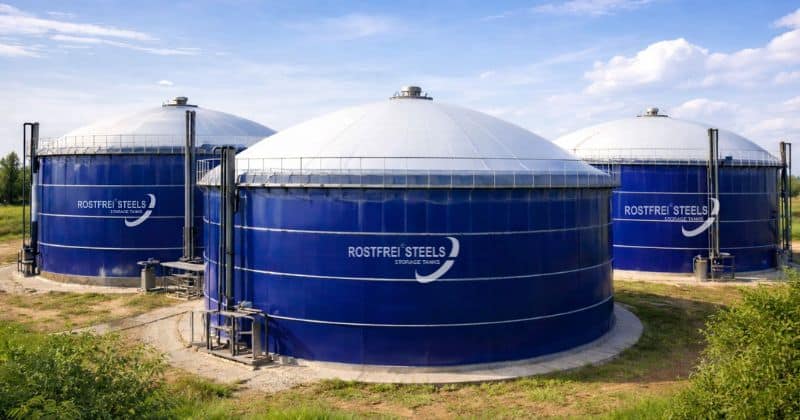
To protect stored grain and maximize operational efficiency, investing in a well-engineered grain silo system is essential. Rostfrei Steels’ Grain Silos are equipped with advanced aeration systems, roof vents, temperature control features, and robust structural designs that help prevent contamination, reduce spoilage, and deliver long-term returns on investment.
This article explores the primary causes of grain contamination in storage silos, its impact on business performance, and how Rostfrei Steels provides a reliable storage solution.
## Why Does Grain Contamination Occur in Storage Silos?
Grain contamination typically results from inadequate environmental control, poor silo design, or insufficient maintenance. The most common causes include:
### 1. Poor Aeration and Ventilation
Insufficient airflow is one of the leading causes of grain spoilage. Without proper aeration, heat and moisture accumulate inside the silo, creating ideal conditions for mold, fungi, and bacterial growth. Since stored grains are highly sensitive to temperature and humidity, poor ventilation can significantly reduce grain quality.
### 2. Moisture and Humidity Ingress
Water intrusion through leaks, condensation, or high ambient humidity can quickly damage stored grain. Even small amounts of moisture can trigger spoilage, mold formation, and caking. Silos with inadequate sealing or corrosion-related damage are particularly vulnerable to moisture entry.
### 3. Temperature Fluctuations
Rapid temperature changes often cause condensation inside the silo. This additional moisture promotes microbial growth, insect activity, and grain deterioration, increasing the risk of contamination and storage losses.
### 4. Pest Infestation
Rodents, insects, and birds can enter poorly sealed storage systems, contaminating grain and creating food safety concerns. Pest infestations can lead to product rejection, regulatory issues, and substantial financial losses.
### 5. Poor Maintenance and Residue Build-Up
Residual grain, dust, and debris from previous storage cycles can contaminate fresh batches. Silos that are difficult to clean often experience recurring quality issues and increased spoilage risks.
## The Business Cost of Grain Contamination
Grain contamination impacts far more than product quality. It directly affects operational efficiency, profitability, and customer trust.
| Impact | Business Consequence |
| —————— | ——————————————————————————————————— |
| Financial Loss | Spoiled grain leads to direct monetary losses. Even 4–5% spoilage can result in significant annual costs. |
| Operational Delays | Contaminated grain may require additional cleaning, grading, or disposal, disrupting schedules. |
| Quality Issues | Reduced grain quality can lead to shipment rejections and customer complaints. |
| Regulatory Risks | Failure to meet food storage standards can result in penalties or compliance issues. |
| Reputation Damage | Consistent quality problems can weaken customer confidence and market credibility. |
For grain-dependent businesses, prevention is considerably more cost-effective than recovering from contamination-related losses.
## How Rostfrei Steels Grain Silos Prevent Contamination
With more than 21 years of industry expertise, Rostfrei Steels designs grain silos specifically engineered to preserve grain quality, improve storage efficiency, and ensure long-term durability.
### High-Quality, Corrosion-Resistant Construction
Rostfrei Steels silos are manufactured using premium galvanized steel, Zincalume, or Magnelis steel, offering superior resistance to corrosion and environmental wear.
**Benefits:**
- Prevents rust formation and water ingress
- Reduces maintenance requirements
- Delivers a service life exceeding 35 years
### Advanced Aeration and Roof Vent Systems
Efficient airflow management is essential for maintaining grain quality. Rostfrei silos incorporate advanced aeration and roof ventilation systems to regulate internal conditions.
**Benefits:**
- Eliminates moisture pockets and hot spots
- Minimizes mold and fungal growth
- Reduces insect activity
- Maintains uniform grain temperature
### Temperature Control Features
Integrated temperature management systems help maintain ideal storage conditions throughout seasonal changes.
**Benefits:**
- Reduces condensation risk
- Prevents spoilage caused by temperature fluctuations
- Protects grain quality during long-term storage
### Modular Bolted Design
Unlike conventional welded structures, Rostfrei Steels grain silos feature a modular bolted design that simplifies installation, maintenance, and future expansion.
**Benefits:**
- Easier cleaning and residue removal
- Improved hygiene between storage cycles
- Flexible capacity expansion without structural modifications
### Pest-Proof and Secure Storage
Engineered sealing systems help prevent the entry of rodents, birds, and insects while maintaining safe operating conditions.
**Benefits:**
- Enhanced food safety
- Reduced contamination risks
- Improved compliance with storage standards
**Key Advantage:** Rostfrei Steels Grain Silos function as complete grain protection systems—not merely storage containers.
## Practical Results
### Case Example 1
A large grain storage operator was experiencing 4–5% annual spoilage due to inadequate ventilation in conventional storage facilities. After upgrading to Rostfrei Steels Grain Silos equipped with advanced aeration and roof vent systems, spoilage was reduced to near-zero levels, resulting in substantial annual savings.
### Case Example 2
A grain trading company implemented Rostfrei Steels modular silos with temperature monitoring systems. The result was a significant reduction in contamination incidents, improved grain quality, and smoother day-to-day operations.
These examples demonstrate how modern grain storage infrastructure can directly improve profitability and operational performance.
## Conclusion
Grain contamination remains one of the most significant challenges in bulk grain storage. Factors such as poor ventilation, moisture ingress, temperature fluctuations, pest infestations, and residue accumulation can quickly lead to spoilage, financial losses, and reputational damage.
Rostfrei Steels Grain Silos are specifically engineered to address these challenges through:
- High-grade corrosion-resistant steel construction
- Advanced aeration and roof ventilation systems
- Temperature control features
- Modular bolted design for easy cleaning and maintenance
- Secure, pest-resistant storage structures
By investing in Rostfrei Steels Grain Silos, businesses can achieve:
- Safe and high-quality grain storage
- Near-zero spoilage levels
- Reduced operational downtime
- Long-term durability and higher ROI
In bulk grain storage, preventing contamination is always more cost-effective than recovering from its consequences. The right silo system not only protects grain quality but also safeguards profitability, operational efficiency, and customer trust.